Hydrolyzed Wheat Protein
- INCI name
- Hydrolyzed Wheat Protein
- Also known as
- Hydrolysed wheat protein, wheat protein hydrolysate
Use with care. Fine for most people, with a caveat worth knowing (see below).
What it does
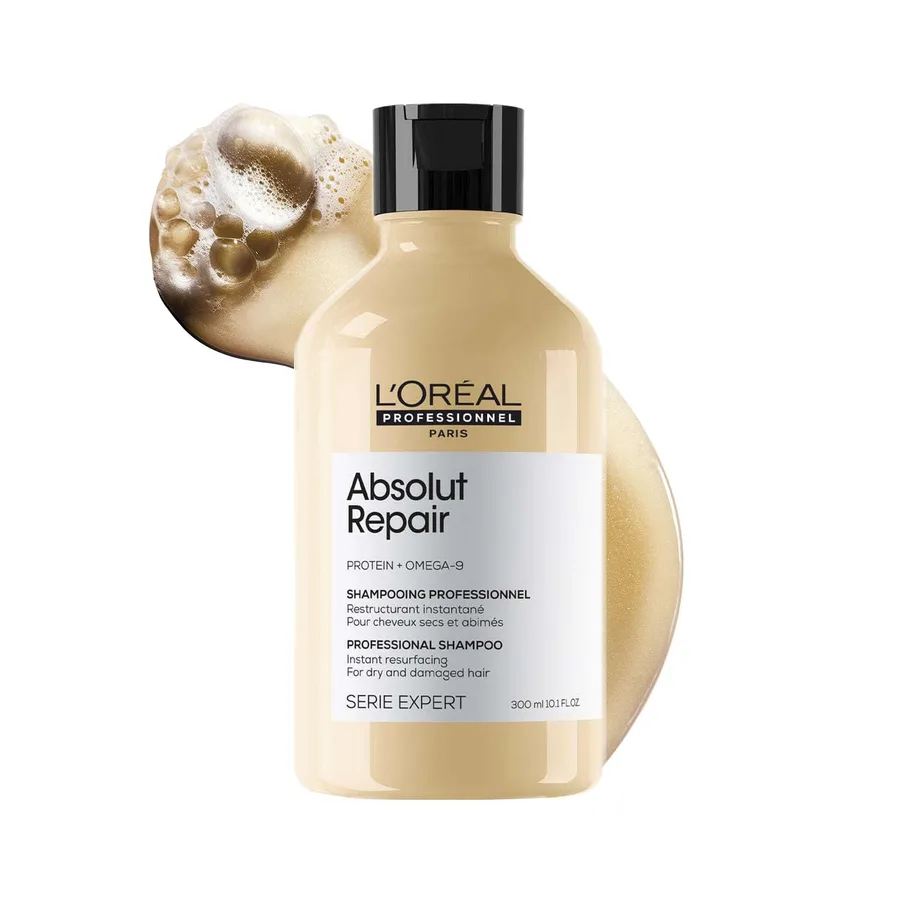
Wheat protein broken down into smaller peptides so it dissolves in water. In shampoos and conditioners it acts as a film-forming conditioner that clings to the surface of the hair.
- Clogs pores?
- 0/5 · Non-comedogenic
- Typical strength
- Usually under 1% in shampoos
- Suits
- Dry, damaged or chemically treated hair
- Avoid if
- You have a wheat allergy or have reacted to wheat-protein cosmetics
Benefits
Protein fragments bind to hair, most readily where it is damaged, and can leave it feeling smoother; the smallest fragments penetrate a short way into the fibre. In a rinse-off shampoo, at the low levels usually used, the effect is modest and washes out.
Concerns and risks
A rare but real allergy risk: hydrolysed wheat protein can sensitise through the skin, and a facial soap containing it caused an outbreak of wheat allergy in Japan, including reactions to eating wheat. The Cosmetic Ingredient Review panel considers it safe when the peptide size is kept small enough to limit this.