Hydrated Silica
- INCI name
- Hydrated Silica
- Also known as
- Silica; silicon dioxide (hydrated); amorphous silica
Generally safe. No common concerns at the strengths used in skincare and hair care.
What it does
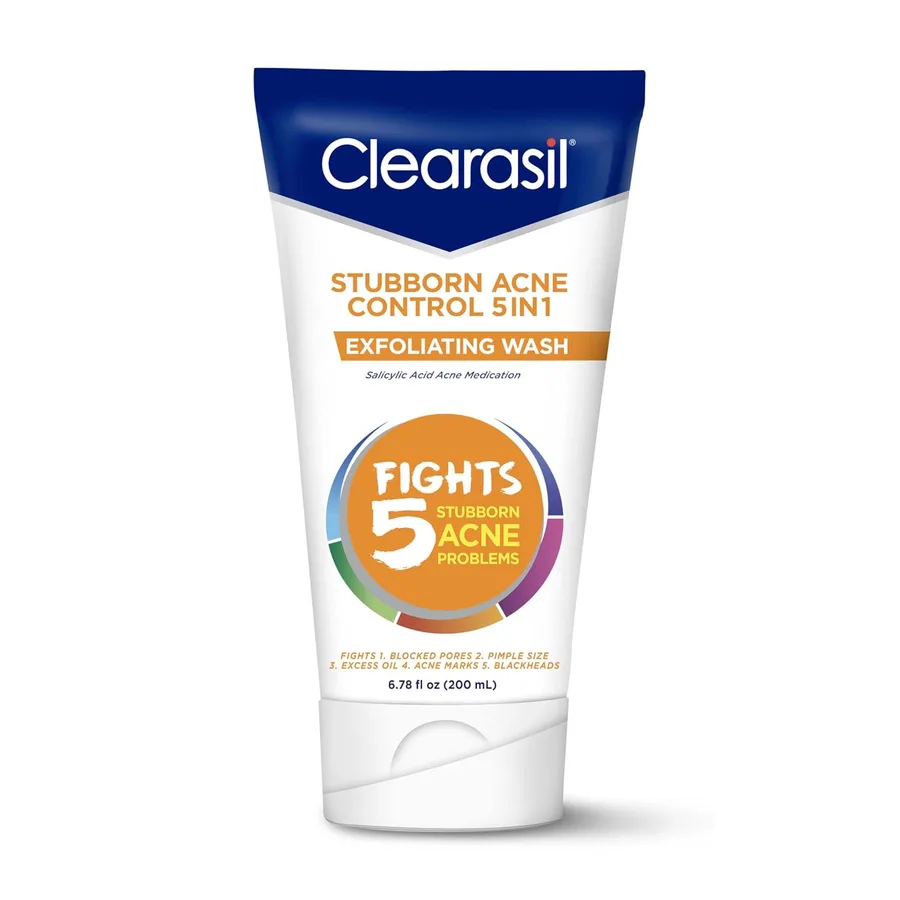
A fine, mineral-derived form of silica that works as a mild abrasive and oil absorber. In scrubs and exfoliating washes it supplies the gritty particles that physically polish the skin's surface, the same role it plays in toothpaste.
- Clogs pores?
- 0/5 · Non-comedogenic
- Typical strength
- 1–10% in scrubs and exfoliating cleansers
- Suits
- Oily and normal skin that tolerates physical exfoliation
- Avoid if
- Your skin is inflamed, broken or very sensitive
Benefits
Gives a physical scrub that loosens dead surface cells and helps lift oil from pores, and it has replaced plastic polyethylene microbeads in many rinse-off products since microbead bans in the US and elsewhere. It is chemically inert and does not dissolve or react on skin.
Concerns and risks
None well established for skin; the US Cosmetic Ingredient Review panel has assessed amorphous and hydrated silica as used in cosmetics. Like any scrub, it can irritate if rubbed hard or used on broken, inflamed acne.